
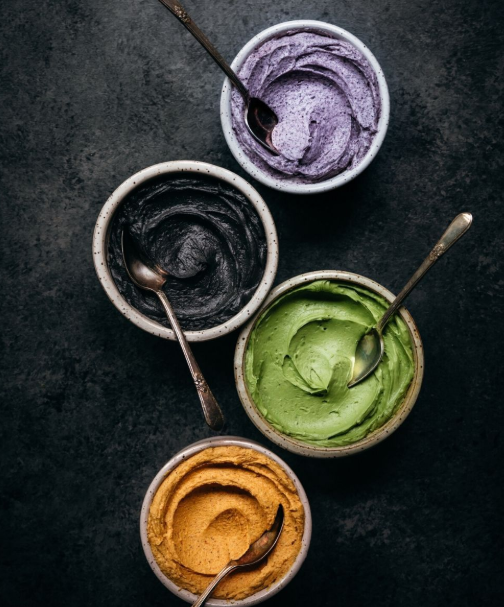
The pressure on manufacturers now is to present proper, clearer labels for the food, while maintaining the same appearance as before. Color is among the initial characteristics detected, and therefore plays a crucial role in product development. This has made all natural food coloring popular in a variety of food products. Ingredients that provide appealing color and help meet clean label requirements are sought-after by companies. Knowing the results of these colors in real manufacturing conditions enables businesses to be informed in formulation and ingredient selection.
Understanding Modern Color Solutions
With changing market expectations, food companies have turned away from synthetic food colors, leading to an increase in the demand for natural food colors. They are color extracted from fruits, vegetables, algae, spices and other plants, providing an efficient solution to deliver high-quality products that are both vibrant and transparent in terms of ingredients.
Natural solutions to coloring are typically more complex than artificial dyes and may need careful consideration when developing a product. Different factors like processing temperatures, pH, storage conditions, product shelf life, etc., are taken into consideration by manufacturers to choose the right ingredient. The selection of color depends upon the appearance and also the consistency of the color during production.
Why Manufacturers Prefer Natural
All-natural food coloring is popular with many brands since it is in line with clean label marketing efforts and consumer tastes. When the ingredients are recognizable, it may attract those who look at the ingredient lists and packages to make sure they are purchasing a product that they know they can eat.
For manufacturers, the choice is more than just a marketing choice. Natural colors can be used to differentiate products and can assist companies in meeting retailer needs and regional regulations. Choosing the appropriate ingredients at the formulation stage also helps to minimize unneeded re-formulation during production.
Natural pigments can be used to develop an appealing, efficient product, and testing how they interact with recipes is important for food developers.
Applications Across Food Categories
The use of natural color ingredients is now commonplace in a number of food sectors. Beverage producers utilize color systems for juices, flavored waters and functional drinks. Natural shades are used in the manufacturing of dairy products such as yogurt, ice cream and milk products with flavors. Bakery products are filled, frosted and decorated with plant-based colors which must remain consistent in color.
The use of natural food coloring in confections, gummies and chocolate is also a trend that continues to grow among confection makers. Choosing ingredients that will keep their appearance during the cooking, cooling and packaging stages is still a critical element of the product development process.
Ingredients vary from application to application, so the choice of ingredients is a key process that requires a partnership between procurement and product development teams, and manufacturing specialists.
Choosing Reliable Ingredient Partners
The most important thing when selecting an ingredient is also to find the right supplier. Manufacturers are evaluated by procurement teams for their ability to manufacture, quality control, traceability, regulatory compliance and reliability of their supplies. Raw material consistency helps to minimize production risks and give confidence in the production of large-scale manufacturing.
Another important aspect to consider is technical support. Advanced suppliers can help with formulation issues, suggest appropriate color applications for various foods, and advise on formulation for stable performance across the range of processing conditions.
A long-term supplier relationship may also help to make product launches smoother, as the supply of consistent product quality is achieved sequentially.
Preparing For Future Demand
With consumers wanting to know more about what’s in their food, this passion for product transparency is still driving innovation in the global food industry. Natural color systems are being added to new and established product lines by companies seeking to make their products more appealing to consumers. Plant-based color ingredients are also increasingly stable and versatile thanks to both new extraction technology and formulation techniques.
The more research is done, the more it will be possible for manufacturers to create attractive products without going overboard on artificial ingredients. By keeping up with ingredient innovations, businesses can better adjust to an ever-changing market with changing expectations.
Conclusion
Since all natural foods colouring options have become a significant part of the modern food manufacturing industry, they are used to assist clean label product development, while catering to the changing preferences of consumers. Foodrgb.com will also help businesses learn more about industry advances and about how to use natural colors for their ingredient needs and/or business solutions. Appropriate natural food colorings must be chosen that will meet desired appearance, processing characteristics and availability. Partnering with experts in ingredients can help manufacturers develop products that are not only of high quality but also competitive in today’s ever-evolving market.