
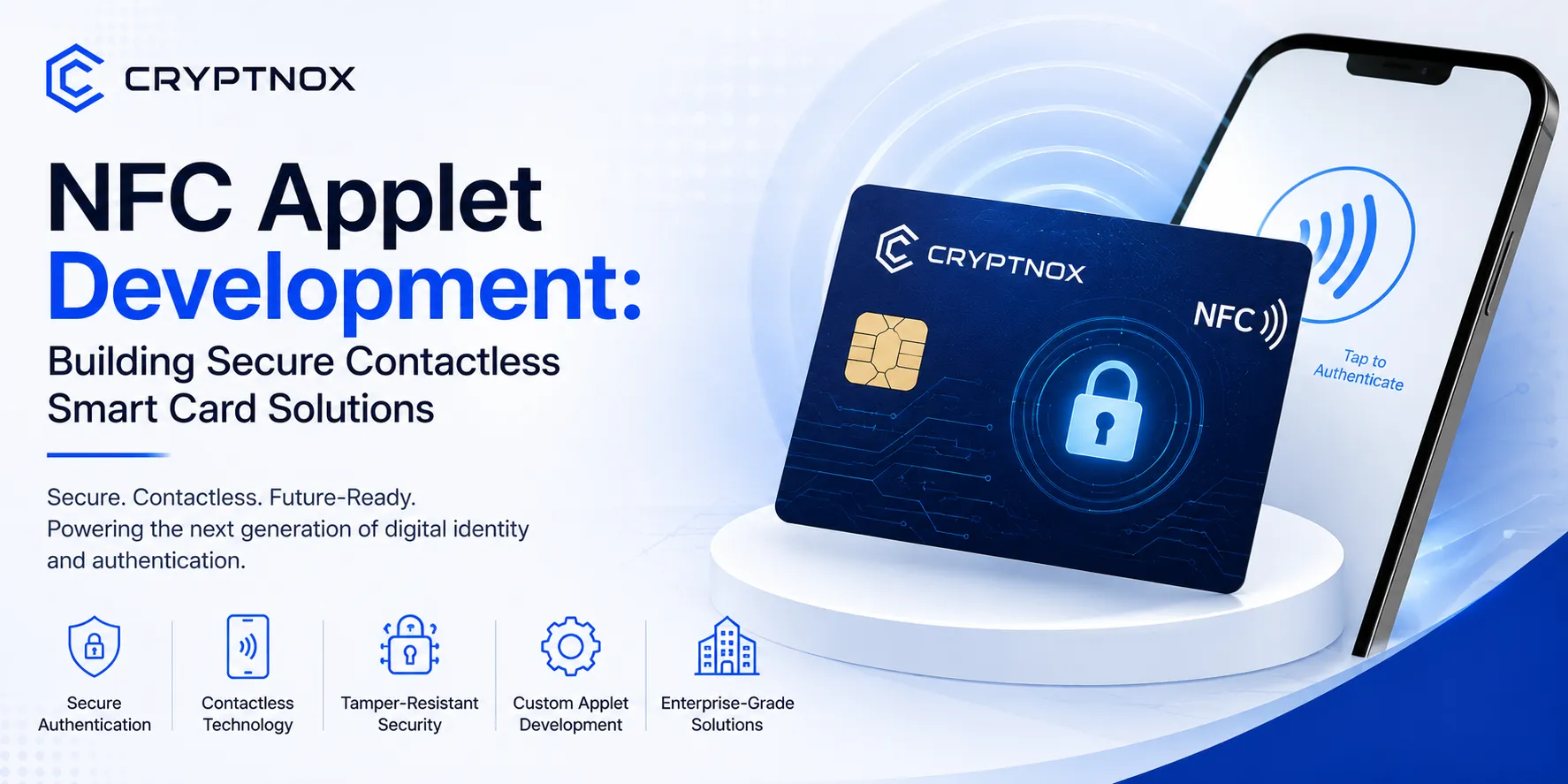
Near Field Communication (NFC) technology has transformed how people authenticate, make payments, access secure facilities, and interact with connected devices. Behind every secure NFC-enabled smart card is a carefully designed applet that manages cryptographic operations, user authentication, and secure data exchange. As organizations increasingly adopt digital identity, passwordless authentication, and smart card-based security, NFC applet development has become a critical component of enterprise security infrastructure. Whether developing FIDO2 authentication cards, digital identity solutions, payment applications, or blockchain-enabled smart cards, robust NFC applet development ensures secure, scalable, and reliable contactless experiences while protecting sensitive user credentials.
What Is NFC Applet Development?
NFC applet development is the process of designing and implementing secure applications that run directly on NFC-enabled smart cards or secure elements. These applets control how the card communicates with NFC readers, mobile devices, and enterprise systems while securely managing cryptographic keys and authentication processes.
Unlike traditional software applications, NFC applets operate within highly secure hardware environments that are specifically designed to resist tampering and unauthorized access.
Modern NFC applets support numerous applications, including:
-
Passwordless authentication
-
Digital identity verification
-
Enterprise access control
-
Secure payments
-
Blockchain authentication
-
PKI-based authentication
-
Government identity solutions
As organizations continue adopting contactless technologies, well-designed applets provide the secure foundation that powers these use cases.
Why Secure NFC Applet Development Matters
Security must be integrated into every stage of smart card development.
Poorly designed applications can expose sensitive credentials, weaken authentication systems, or introduce vulnerabilities that attackers may exploit.
Professional NFC applet development focuses on:
-
Secure cryptographic operations
-
Protected key storage
-
Secure communication protocols
-
Controlled application lifecycle management
-
Tamper-resistant execution
-
Compliance with modern security standards
These capabilities help organizations protect both users and enterprise infrastructure.
Key Components of NFC Smart Card Development
Developing enterprise-grade NFC applications involves several critical elements.
Secure Element Integration
Secure elements isolate sensitive cryptographic operations from the host system, protecting private keys and authentication credentials from unauthorized access.
Contactless Communication
NFC technology enables fast communication between smart cards and compatible readers without requiring physical insertion.
This improves user convenience while maintaining strong security.
Application Logic
Each applet contains specialized logic tailored to its intended purpose, whether authentication, digital identity, payments, or blockchain applications.
Cryptographic Security
Strong encryption, digital signatures, certificate management, and secure authentication protocols ensure trusted communication throughout every transaction.
Benefits of Contactless Smart Cards
Organizations across multiple industries continue adopting contactless smart cards because they combine convenience with enterprise-grade security.
Some of the key advantages include:
-
Fast authentication
-
Improved user experience
-
Reduced physical wear
-
Strong cryptographic protection
-
Support for passwordless authentication
-
Seamless integration with enterprise systems
Because users simply tap their cards against compatible readers, contactless authentication also reduces login friction while maintaining high security standards.
Enterprise Applications
NFC applet development supports a wide range of enterprise deployments.
Common applications include:
-
FIDO2 passwordless authentication
-
Employee identity badges
-
Corporate access control
-
Healthcare identification systems
-
Government digital identity
-
Financial services authentication
-
Secure blockchain wallets
-
Enterprise PKI authentication
Organizations increasingly rely on these solutions to improve both security and operational efficiency.
Building Secure NFC Solutions
Developing secure smart card applications requires more than writing application code.
Successful secure NFC solutions incorporate multiple layers of protection throughout the development lifecycle.
Best practices include:
-
Secure coding standards
-
Cryptographic key protection
-
Secure personalization
-
Authentication testing
-
Application lifecycle management
-
Vulnerability assessments
-
Ongoing security updates
By integrating security from the beginning, organizations reduce deployment risks and improve long-term reliability.
Supporting FIDO2 and Passwordless Authentication
One of the fastest-growing applications of NFC applets is passwordless authentication.
Modern FIDO2-enabled smart cards allow users to authenticate securely using cryptographic credentials rather than passwords.
This approach helps organizations:
-
Reduce phishing attacks
-
Eliminate password reuse
-
Strengthen Zero Trust security
-
Improve user experience
-
Reduce password reset costs
As passwordless authentication becomes the enterprise standard, NFC applets will continue playing an increasingly important role in digital identity management.
Why Custom Smart Card Development Matters
Every organization has unique security requirements.
Some require digital identity solutions, while others focus on payment systems, blockchain applications, enterprise authentication, or government credentials.
A tailored approach to smart card development allows organizations to build applications that align with their infrastructure, regulatory requirements, and long-term business objectives.
Businesses exploring specialized implementations can also benefit from reviewing NFC smart card development case studies that demonstrate how custom applets are successfully deployed across different industries and enterprise environments.
The Future of NFC Applet Development
Demand for secure contactless technologies continues to grow across financial services, enterprise security, healthcare, transportation, and government sectors.
Emerging technologies such as digital identity, decentralized authentication, Web3 infrastructure, and secure hardware wallets are expanding the role of NFC smart cards even further.
Future NFC applets will likely integrate advanced cryptographic capabilities, stronger interoperability, and enhanced lifecycle management while maintaining the high security standards required for enterprise deployment.
Organizations investing in secure NFC solutions today are positioning themselves for the next generation of digital authentication and contactless security.
Conclusion
Secure contactless technology begins with well-designed applications running inside trusted hardware. NFC applet development enables organizations to build reliable, scalable, and secure smart card solutions for authentication, digital identity, enterprise access, and blockchain applications. By combining secure cryptography, tamper-resistant hardware, and modern contactless communication, NFC applets provide the foundation for today’s most advanced smart card ecosystems. As enterprises continue embracing passwordless authentication and digital identity, investing in secure NFC applet development will remain essential for delivering trusted, future-ready contactless solutions.