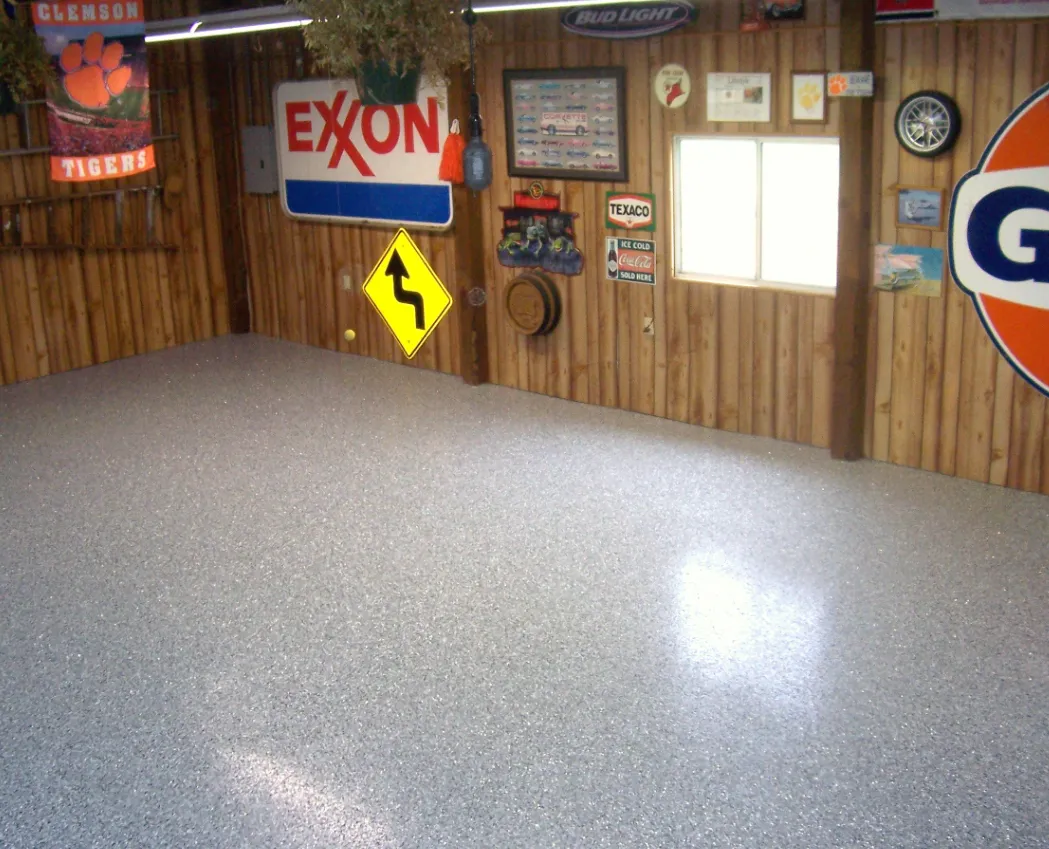
Commercial floors have to do more than look presentable. They may need to handle constant foot traffic, trolleys, equipment, spills, cleaning chemicals and changing environmental conditions without becoming difficult to maintain.
The right finish depends on how the space is actually used. A warehouse, showroom, hospitality venue and workshop can all have very different flooring priorities, which is why the decision should begin with function rather than appearance alone.
Understand the Demands of the Space
Before selecting a finish, it helps to map out the areas that experience the most traffic. Entrances, work zones, loading points and service areas often face greater wear than quieter parts of the same building.
The type of activity also matters. Floors exposed to carts and machinery may need a different level of durability from areas used mainly by pedestrians.
Consider Slip Risk Early
Some commercial spaces are more likely to become wet or contaminated than others. Kitchens, workshops, wash-down areas and entrances can all present situations where surface grip becomes important.
In these settings, anti slip flooring newcastle may be considered as part of a broader safety-focused flooring strategy. The level of texture should suit the environment without making cleaning unnecessarily difficult.
Think About Appearance and Presentation
Not every commercial floor needs a highly decorative finish, but appearance can still influence the way customers and staff perceive the space. Showrooms, reception areas and retail environments often benefit from a clean and consistent surface.
For businesses considering polished concrete newcastle, the attraction may be the combination of a refined appearance with the character of the existing slab. The final result still depends heavily on the condition and quality of the concrete underneath.
Surface Preparation Still Matters
Even the best flooring system can struggle if the substrate is poorly prepared. Existing coatings, adhesive, contamination and weak concrete may need to be removed before the new finish is installed.
Mechanical preparation helps expose sound concrete and creates a more consistent base. The exact process should be selected according to the finish that follows rather than using the same preparation method for every project.
Check the Slab for Damage
Cracks, holes and damaged edges should be assessed before finishing begins. Some defects are cosmetic, while others may indicate movement or deterioration that needs closer attention.
Repairing these areas first can help create a more even final appearance and reduce the chance of existing damage remaining visible through the new surface.
Match Texture to Cleaning Requirements
A rougher surface may provide additional grip, but it can also hold more dirt and require more effort to clean. A smoother floor may be easier to maintain but may not suit every environment.
The right balance depends on the type of contamination the floor is likely to encounter and how often it will be cleaned. Maintenance teams should be involved in the decision where possible.
Consider Long-Term Maintenance
Commercial floors are rarely left untouched after installation. Regular sweeping, scrubbing and occasional deeper cleaning are usually part of normal operation.
A practical flooring system should work with the equipment and cleaning products already used by the business. This reduces the chance of maintenance becoming more complicated than expected.
Plan Around Business Downtime
Flooring work often requires sections of a building to be closed temporarily. Preparation, application and curing can all affect normal access.
Planning the project around quieter periods or completing it in stages may help reduce disruption. The best approach depends on the size of the area and the system being installed.
Pay Attention to Lighting and Colour
Lighting can change the way a floor looks throughout the day. Natural light, warehouse fixtures and retail lighting can all influence colour and reflectivity.
A finish that appears subtle in one environment may look much brighter in another. Viewing samples under similar lighting conditions can help businesses make a more informed choice.
Think About Future Use
Commercial spaces often change over time. Machinery may be moved, layouts altered, or customer areas expanded.
Choosing a floor that can support future changes can reduce the need for another major upgrade. A versatile finish may provide better long-term value than one selected for a very narrow purpose.
Conclusion
Choosing a commercial concrete floor finish requires more than comparing colours or surface styles. Traffic, slip risk, cleaning, preparation, maintenance and business downtime all influence the final result.
A careful assessment of how the space operates makes it easier to select a finish that supports both performance and appearance. The best flooring decision is one that fits the real demands of the environment rather than relying on a one-size-fits-all solution.