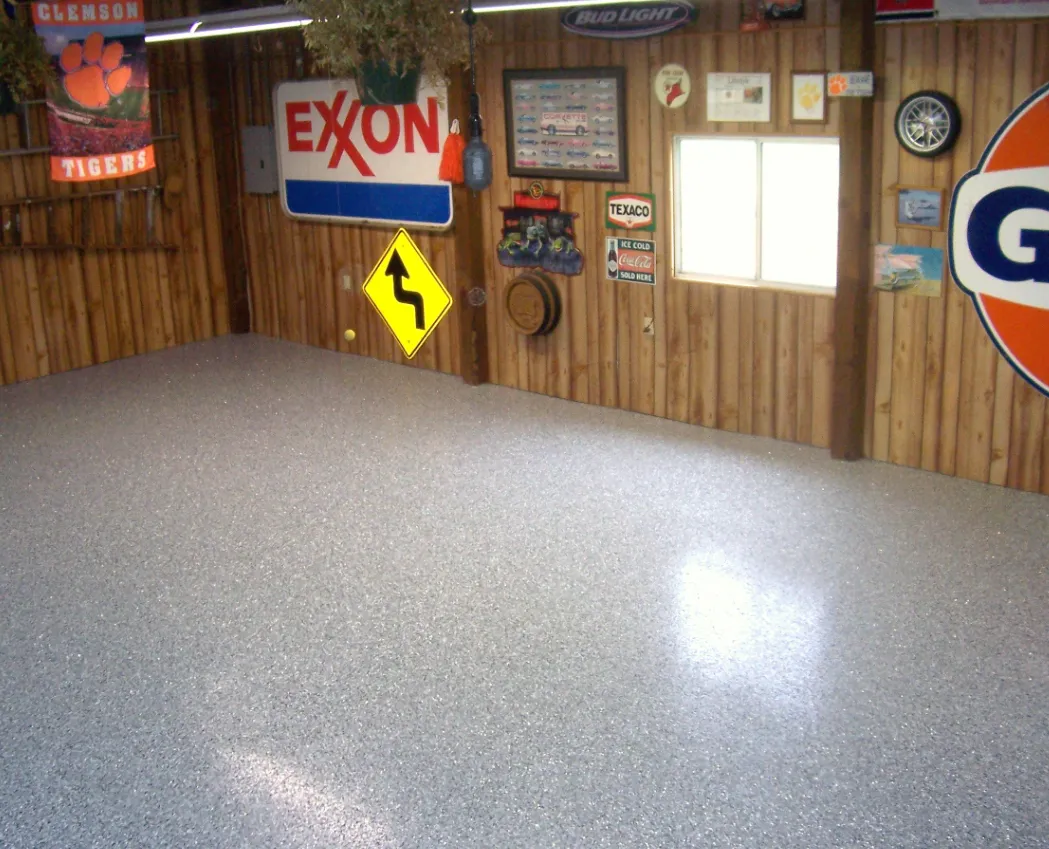
Floors in commercial kitchens, food preparation areas, and hospitality spaces work under demanding conditions. They may face water, grease, heat, dropped utensils, cleaning chemicals, trolley traffic, and frequent washing throughout the day.
Because of this, flooring in food-service environments needs more than a neat appearance. It should support hygiene, safe movement, regular cleaning, and long-term durability. Choosing the right system begins with understanding how the space operates and what challenges the floor is expected to handle.
Hygiene Should Shape The Decision
Food-related environments need surfaces that can be cleaned efficiently and regularly. Cracks, open joints, damaged concrete, and porous areas can make maintenance more difficult.
A suitable floor should create a consistent surface with fewer places for dirt or residue to collect. The system should also be compatible with the cleaning methods normally used in the facility.
Food Areas Need Suitable Flooring
Food grade flooring central coast solutions may be considered for commercial kitchens, food production rooms, preparation spaces, and other environments where cleanliness is a major priority.
The flooring system should be selected around moisture, temperature changes, chemical exposure, traffic, and cleaning frequency. Different areas within the same facility may also need different levels of protection.
Slip Resistance Cannot Be Ignored
Water and grease can quickly make smooth surfaces unsafe. Busy kitchens and preparation areas need flooring that provides suitable grip while people move quickly between workstations.
Anti slip flooring newcastle options can help improve traction in spaces exposed to regular moisture or spills. The texture should provide practical grip without becoming unnecessarily difficult to clean.
Surface Preparation Still Matters
Even specialised flooring will not perform properly over poorly prepared concrete. Old coatings, grease, weak areas, adhesive residue, and surface contamination can all affect adhesion.
Mechanical preparation can help expose sound concrete and create a suitable base. Damaged areas should also be repaired before the new flooring system is installed.
Drainage Needs Careful Planning
Commercial kitchens often use large amounts of water for cleaning. If the floor does not drain properly, standing water can create hygiene concerns and increase slip risks.
Falls, drains, and low spots should be assessed before installation. The flooring system should work with the existing drainage layout rather than being expected to correct poor water flow on its own.
Think About Temperature Changes
Food-service spaces may experience changing temperatures throughout the day. Cooking equipment can create heat, while cool rooms and wash areas may remain much colder.
These variations can place extra stress on flooring systems. The selected material should be suitable for the expected temperature conditions and the way the facility is used.
Cleaning Chemicals Affect Performance
Commercial kitchens often use stronger cleaning products than residential spaces. Repeated chemical exposure can gradually affect some flooring systems if they are not designed for that environment.
Businesses should consider what products are used during routine cleaning. Compatibility between the floor and cleaning chemicals can help support longer service life.
Traffic Creates Uneven Wear
Certain sections of a kitchen or production area receive more traffic than others. Walkways between preparation benches, wash stations, cool rooms, and serving areas may experience repeated wear.
Recognising these patterns helps businesses choose the right level of durability. High-use zones may need additional protection compared with quieter storage areas.
Plan Installation Around Operations
Flooring work can temporarily interrupt normal business activity. Preparation, application, and curing all require time, and some areas may need to remain completely unused.
Planning installation during scheduled closures or quieter periods can reduce disruption. Clear communication about curing times also helps prevent staff or equipment from returning too early.
Maintenance Protects The Investment
A strong floor still benefits from routine inspection. Cracks, damaged edges, worn texture, or localised deterioration should be addressed before they spread.
Regular cleaning and early repairs can help keep the floor performing properly. A simple maintenance plan is especially valuable in environments where the surface is used heavily every day.
Conclusion
Food-service flooring needs to balance hygiene, traction, cleaning, drainage, temperature changes, and heavy daily use. The right system should support the way the facility actually operates rather than simply provide a decorative finish.
Businesses planning improvements to kitchens, food preparation areas, or other demanding workspaces can explore suitable options through blastprepgrind.com. Careful preparation and a properly selected flooring system can help create a cleaner, safer, and more durable environment.